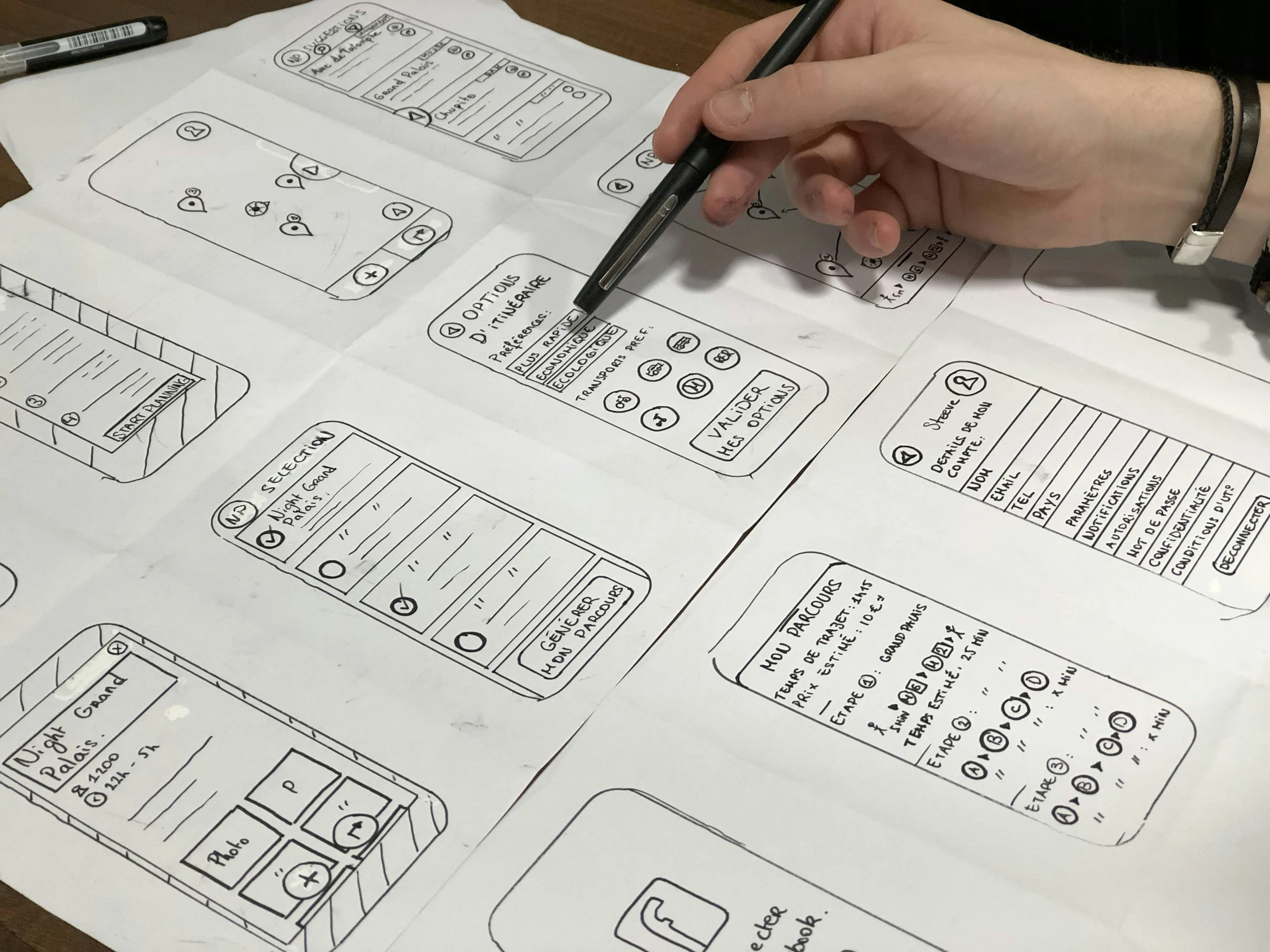
Good UX Is How Your Website Works, Not Just How It Looks
The best websites help visitors understand, navigate, and act with confidence.
Many people think user experience (UX) is limited to a website’s appearance, including colors, layout, and design. However, UX encompasses much more than visual elements.
UX focuses on how easily visitors understand your website, find what they need, and complete important tasks. When these steps are simple, visitors are more likely to stay engaged and take action.
Even a well-designed website can be difficult to use. If visitors cannot quickly understand your offering, find key information, or identify next steps, they may leave before converting, leading to lost business opportunities.
What UX Looks Like in Practice
User experience is reflected in many aspects of a website. When these elements work together, they reduce friction, improve engagement, and help more visitors complete important actions.
Messaging: Visitors should quickly understand your offering, who it is for, and why it matters. Clear messaging helps the right audience recognize its relevance and continue exploring.
Navigation and Structure: Important information should be easy to find, with clear paths between sections. Better navigation reduces abandonment and helps visitors access high-value content faster.
Content Organization: Clear headings and logical sections help visitors scan pages and locate key information. This improves comprehension and supports faster decisions.
Mobile Experience: Key tasks should be as easy to complete on mobile devices as on desktop. A strong mobile experience helps prevent lost conversions from users on smaller screens.
Accessibility: Clear, readable, and well-structured content makes the website usable for a wider audience. This broadens access and reduces barriers to engagement.
Calls to Action: Visitors should always know the next step, whether scheduling, purchasing, contacting you, or completing a form. Clear calls to action reduce hesitation and improve conversion rates.
Why UX Matters
Your website is often the first place people interact with your business. A strong user experience helps visitors quickly understand your offering, find the information they need, and identify next steps.
If the experience is confusing or difficult, visitors may leave before acting. Clear UX reduces friction, improves engagement, and supports key business goals such as inquiries, purchases, bookings, and registrations.
Improving UX does not always require a full redesign. Small changes to messaging, navigation, content organization, or calls to action can often enhance usability and increase the value of your existing traffic.
A Simple Way to Evaluate Your Website
When reviewing a website, ask:
Can visitors quickly understand what the business offers?
Is it clear who the product or service is for?
Can people easily find important information?
Is the next step obvious?
Does the website work just as well on mobile as it does on desktop?
These questions can quickly reveal UX issues that reduce engagement, create friction, or prevent visitors from taking important actions. Identifying these problems early helps you focus improvements where they will have the most business impact.
Good UX Often Goes Unnoticed
When a website is easy to use, visitors rarely notice. They understand where they are, find what they need, and move on.
UX problems become apparent when visitors feel confused, cannot find information, or aren't sure what to do next. This friction can cause frustration, abandonment, and lost opportunities to engage.
The best websites aren't always the ones with the most features or the most impressive visuals. They make it easy for visitors to understand, navigate, and take action with confidence, helping the business get more value from every visit.
Next Steps
Effective UX goes beyond appearance. It helps visitors understand your business, find information, and complete key actions.
Fegan Consulting identifies usability issues, unclear content, confusing navigation, and other barriers that can impact engagement and conversions.
A comprehensive UX audit reveals what is working, what needs improvement, and where to focus next.
Contact Fegan Consulting to discuss a UX audit and explore opportunities to enhance your website’s usability and overall experience.